
Cleve Gray
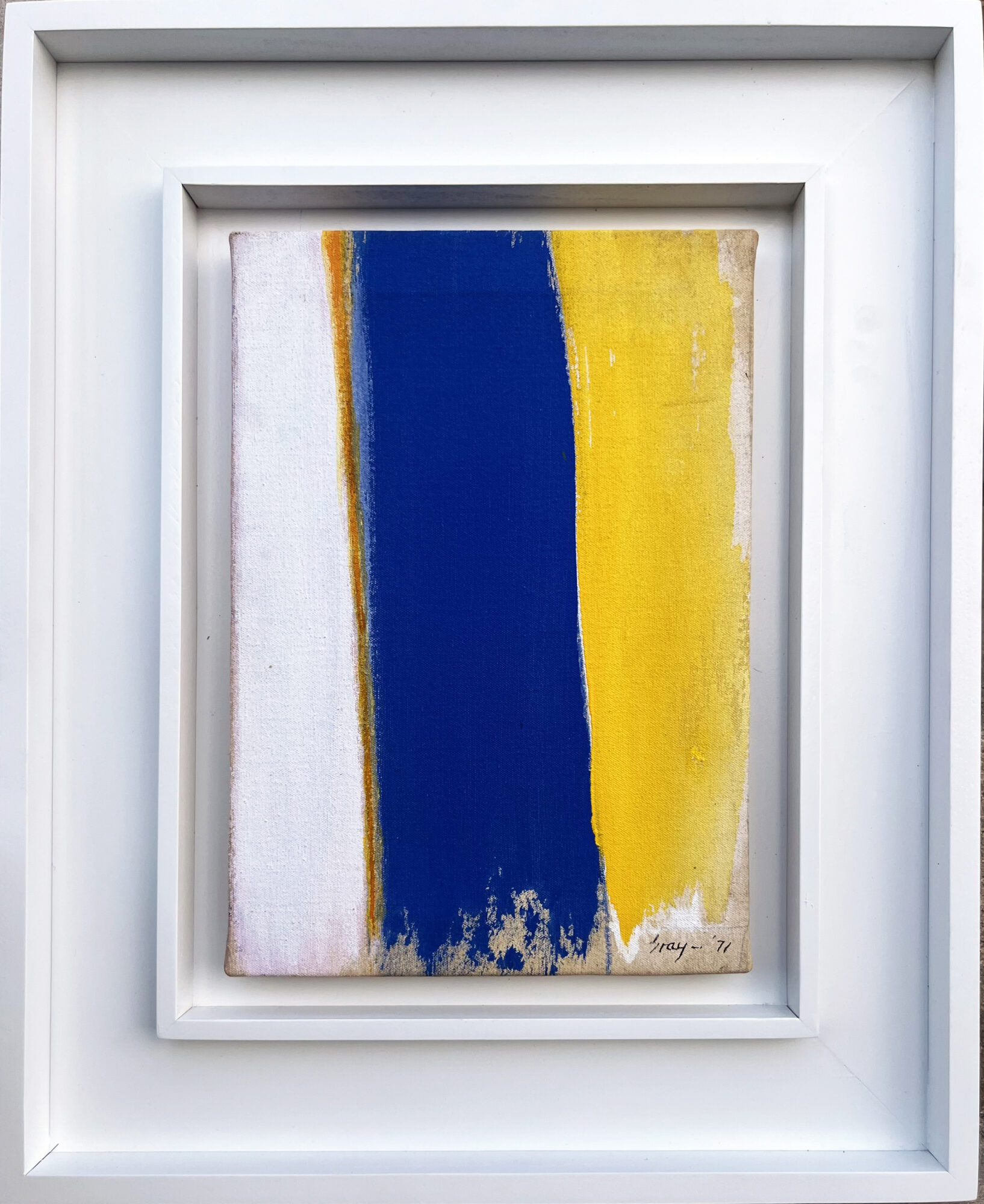
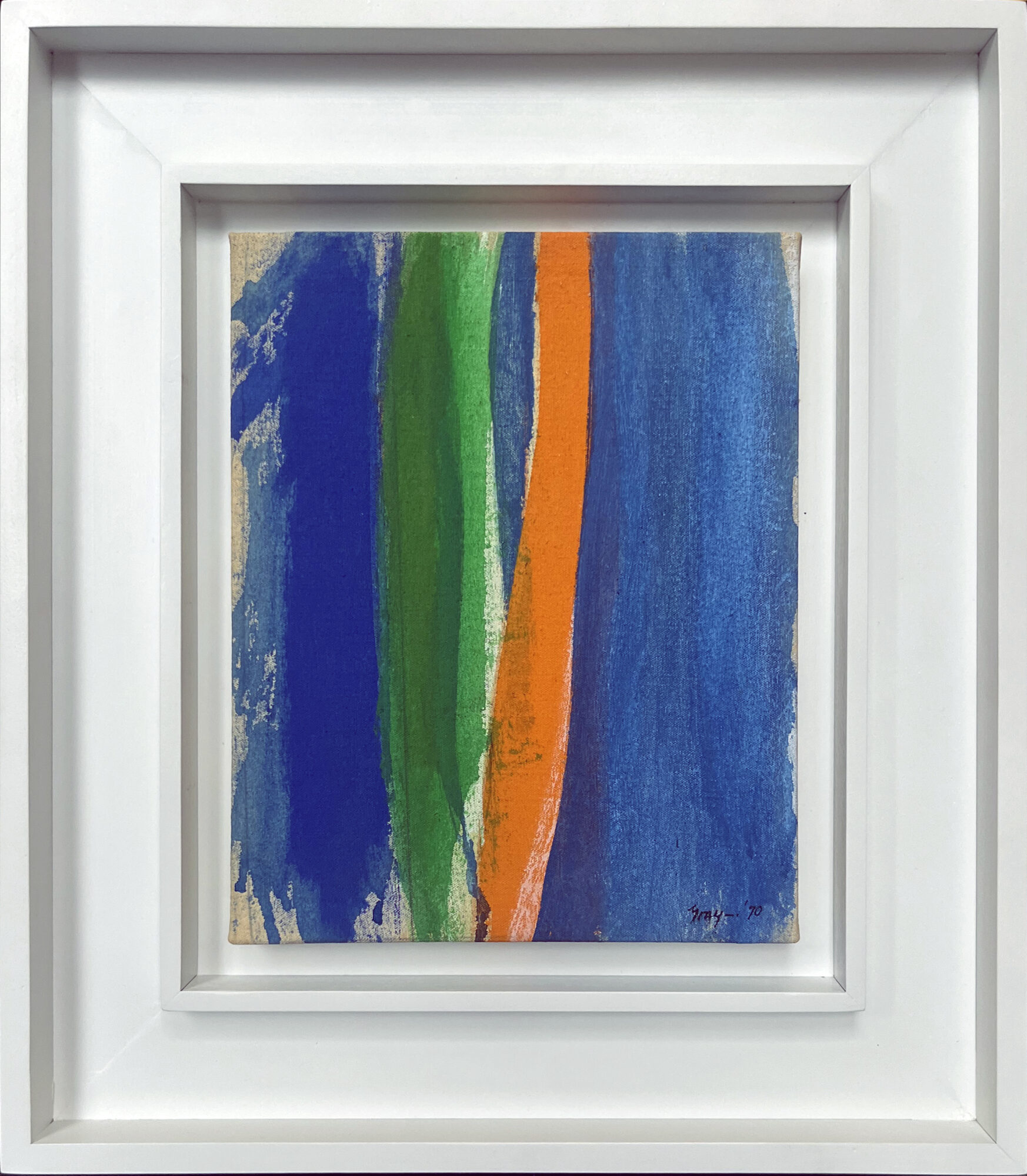
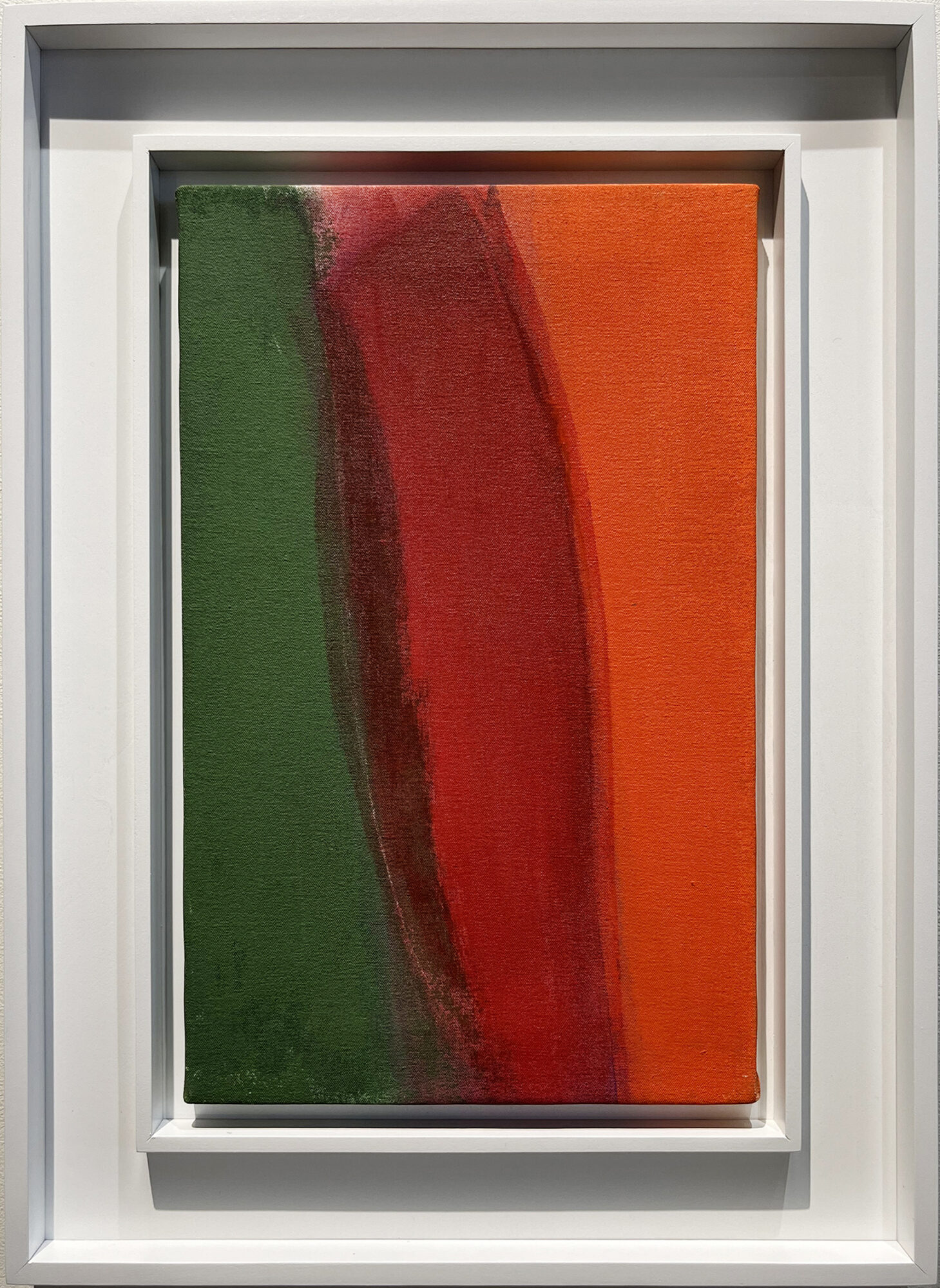


Cleve Gray (1918-2004) was an influential American painter associated with Abstract Expressionism, Color Field painting, and Lyrical Abstraction. Over a career spanning more than six decades, he developed a distinctive visual language characterized by luminous fields of color, atmospheric washes, and expressive, calligraphic gestures.
Born in New York City in 1918, Gray demonstrated an early aptitude for art and exhibited a painting at the National Academy of Design while still a teenager. He attended Princeton University, where he studied art and archaeology and graduated summa cum laude in 1940. His senior thesis focused on Chinese landscape painting, beginning a lifelong engagement with Asian art, philosophy, and calligraphy that would profoundly influence his mature work.
During World War II, Gray served in the United States Army in England, France, and Germany. Following the war, he remained in Paris under the GI Bill, continuing his artistic studies and developing a close relationship with French Cubist painter Jacques Villon. His early paintings reflected the structural discipline of European modernism, but by the 1950s and 1960s his work became increasingly abstract and gestural.
A friendship with Barnett Newman during the 1960s coincided with an important transformation in Gray’s painting. He moved away from his earlier Cubist-influenced compositions toward expansive areas of distilled color and increasingly spontaneous brushwork. His mature paintings bring together the traditions of European modernism and Abstract Expressionism with the economy and meditative qualities of Chinese and Japanese painting. Broad expanses of color are frequently interrupted by sweeping strokes, drips, stains, and calligraphic marks, creating works that balance restraint with dramatic gestures.
Among Gray’s most significant works is Threnody, a monumental fourteen-panel painting created as a lament for those who died on both sides of the Vietnam War. The work became one of the defining achievements of his career and reflects his belief in abstraction’s ability to convey profound emotional and human experience.
Gray exhibited extensively throughout the United States and internationally, with retrospective exhibitions held at institutions including the Albright-Knox Art Gallery, Brooklyn Museum, Princeton University Art Museum, Rhode Island School of Design, Columbus Museum of Art, and Wadsworth Atheneum. His work is represented in major public collections including The Metropolitan Museum of Art, Museum of Modern Art, Whitney Museum of American Art, Solomon R. Guggenheim Museum, The Phillips Collection, Smithsonian Institution, and Yale University Art Gallery, among others.
In addition to his work as a painter, Gray was a writer and editor with a deep interest in art history, literature, and philosophy. He was elected to the American Academy of Arts and Letters in 1998 and received the Neuberger Museum of Art Lifetime Achievement Award in 1999. Gray lived and worked for more than five decades in Warren, Connecticut, where he continued painting until his death in 2004.
Today, Cleve Gray is recognized for a body of work that bridges postwar American abstraction and the contemplative traditions of Asian art. His paintings are distinguished by their sophisticated use of color, commanding scale, and seemingly effortless gestures.
For more information, please fill out the form below:
Or call Judy directly at 574-276-6001.